Pedestrian barriers are one of the most practical tools for improving safety around active construction zones. While signs, cones, and warning tape help alert people to nearby work, they do not always create enough separation between pedestrians, crews, equipment, and moving traffic.
In busy work zones, especially near sidewalks, roadways, schools, public spaces, and commercial areas, people need clear direction. A well-placed pedestrian barrier system helps guide foot traffic away from hazards while giving crews a safer, more organized space to work.
For contractors, municipalities, and transportation teams, the right setup can help reduce confusion, improve visibility, and support a stronger overall safety plan.
Construction Zones Need More Than Warnings
A warning sign can tell someone to stay alert, but it does not physically prevent them from stepping into an unsafe area. On construction sites, conditions can change quickly. There may be uneven surfaces, open trenches, lane shifts, heavy machinery, temporary walkways, or restricted access points.
That is where pedestrian barriers make a real difference. They create a visible boundary that is easy to understand, even in areas with high foot traffic or limited visibility. Instead of relying only on people noticing a sign, barriers help shape movement and reduce the chance of pedestrians entering active work areas.
Protecting Crews and the Public
Good construction safety protects everyone near the job site, not just the workers. Pedestrians may be distracted, unfamiliar with the area, or unsure where to walk when their usual route is blocked. Without clear guidance, people may take shortcuts through dangerous spaces.
Pedestrian barriers help direct the public along safer paths while keeping work crews separated from unnecessary foot traffic. This can be especially important for sidewalk repairs, road construction, bridge work, utility projects, school zones, and public events located near active construction.
When combined with a larger work zone safety plan, barriers can help reduce liability concerns and create a more controlled environment.
Better Visibility in Day and Night Conditions
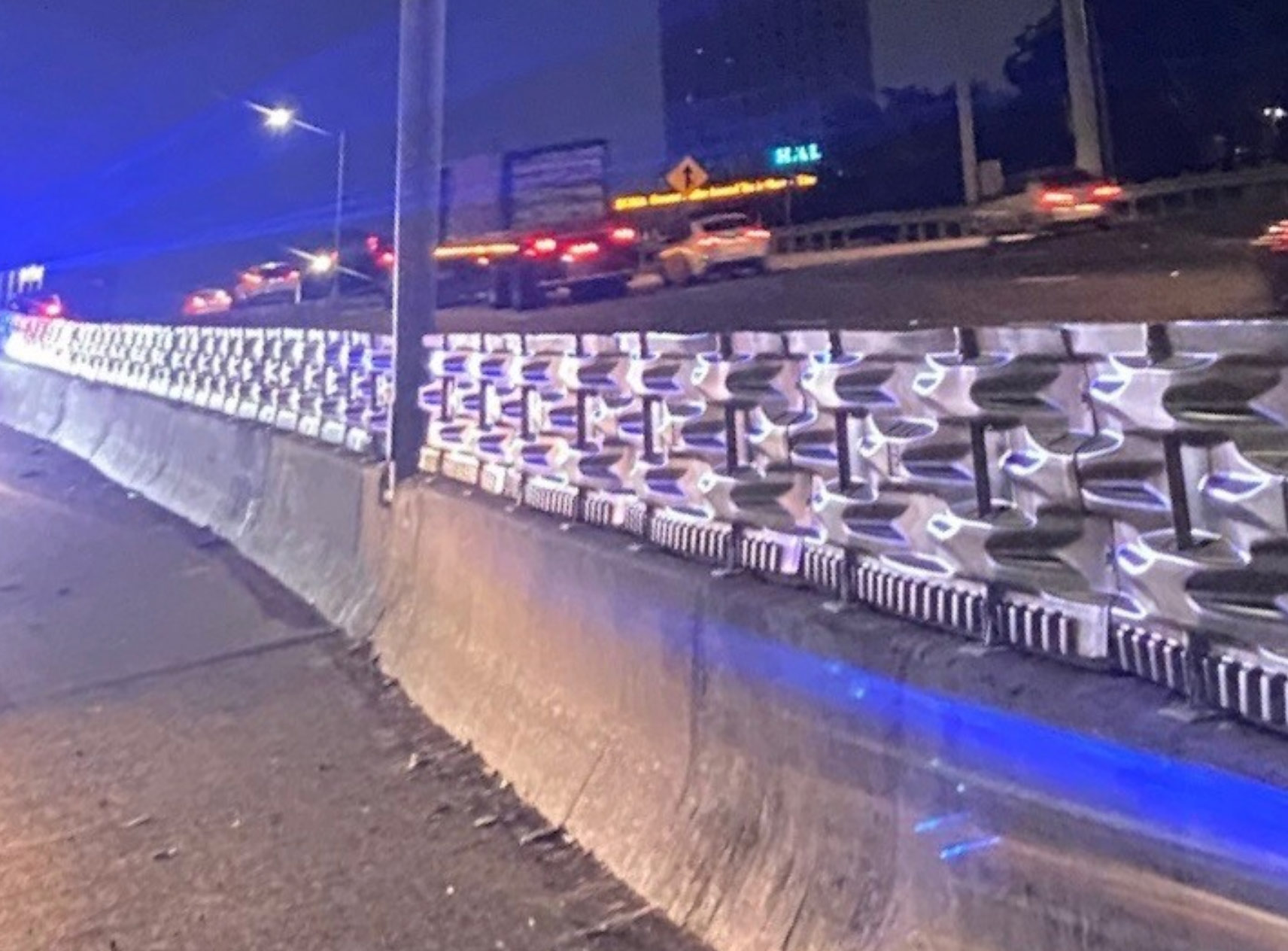
Visibility is a major part of construction safety. Barriers should be easy to see during the day, in low light, and during nighttime operations. High-contrast materials, reflective details, and a clean, consistent layout can help pedestrians and drivers understand where they should and should not go.
This matters even more in areas where traffic patterns change, sidewalks are temporarily rerouted, or crews are working close to vehicles. Clear, visible barriers help prevent last-minute confusion and support smoother movement through the work zone.
For projects with added visibility challenges, solutions like glare screens and Gawk/Temporary Traffic Screens can also help control distractions and improve the overall safety setup.
Flexible Equipment for Changing Job Sites
Construction zones are rarely static. As work moves forward, barriers may need to be shifted, extended, removed, or reconfigured. That is why flexibility matters. A strong pedestrian barrier system should be durable enough for active job sites while still being practical for crews to move and install.
Lightweight, stackable, and easy-to-deploy barriers can save time in the field. They help crews adjust quickly without compromising safety or slowing down the project. For contractors managing multiple phases of work, that kind of flexibility can make daily operations much easier.
Supporting a More Organized Work Zone
Pedestrian barriers do more than block access. They help organize the entire job site. When barriers are placed correctly, they can mark temporary walkways, protect restricted zones, support crowd control, and create a cleaner flow around the project.
An organized site is easier for crews to manage and easier for the public to navigate. It also creates a more professional appearance, which matters for contractors, municipalities, and agencies working in visible public areas.
To learn more about how product design supports safer field use, visit our Engineering page.
Build Safer Construction Zones with Beltway USA
Pedestrian barriers may look simple, but they play an important role in construction safety. They help prevent unsafe access, guide foot traffic, protect workers, and create a clearer separation between the public and active work areas.
Beltway USA provides job-site-ready safety solutions built for real construction conditions. Contact Beltway USA to find the right setup for your next project.